On July 24th and 25th I was at the
Fiber Arts Festival in West Fargo. When most people think of fiber arts, they think of wool or cotton, which is not entirely wrong. In fact, there is a strong wool contingent at the festival, including shearing sheep, carding the wool, spinning the wool, knitting, crocheting and felting the wool. There were also a variety of other fiber artists there, who taught embroidery, weaving,
nålebinding (check it out!), dyeing, quilting and other things.
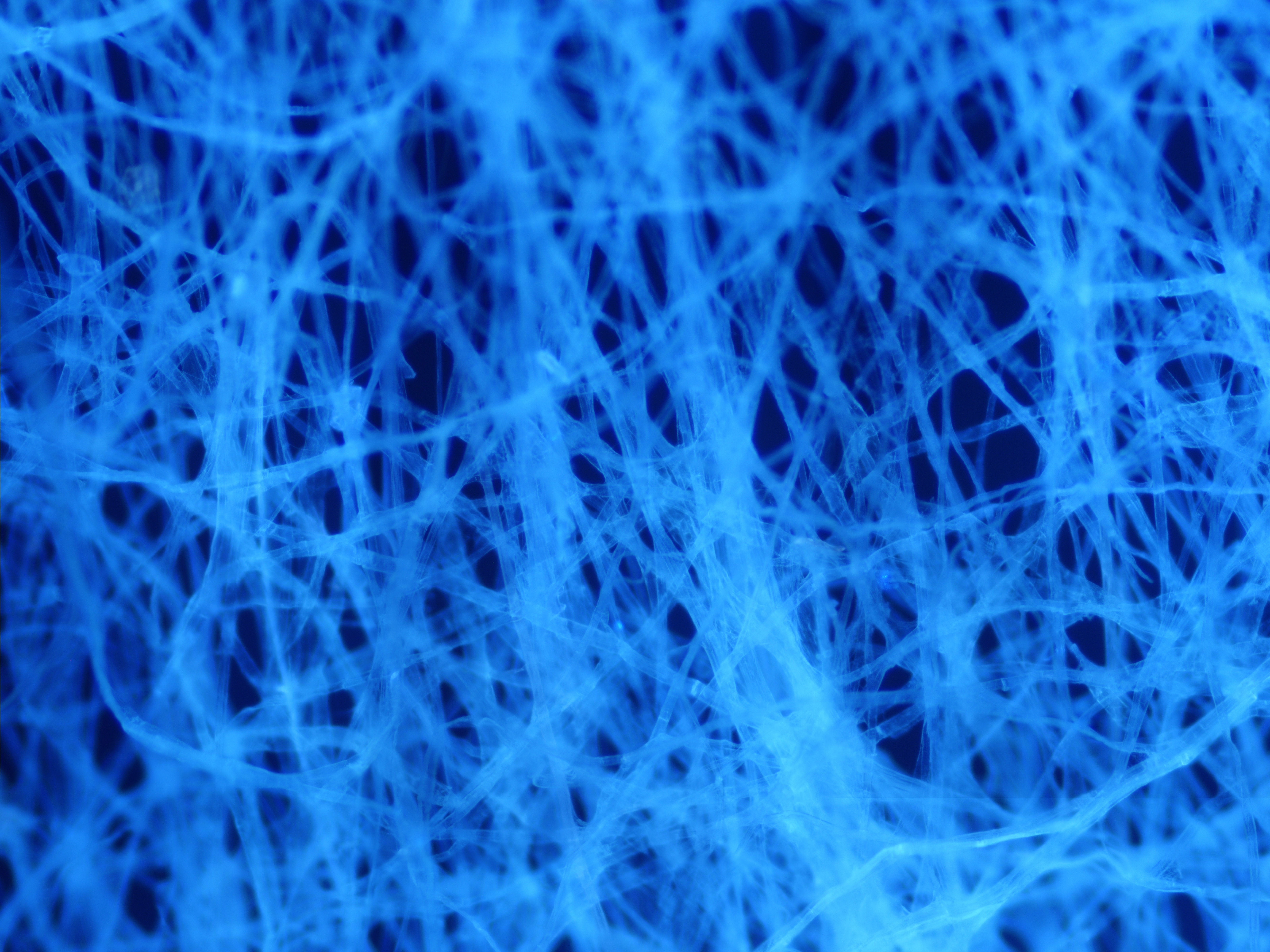
But what people often forget is that paper is a collection of fibers. Someday, I might be able to do a posting here about how paper is made, but suffice it to say, each sheet is made of untold millions of tiny fiber lengths. In fact, the way to form a crease is to break the fibers in a line (unless you are wet-folding, in which case the moist fiber bends instead of breaking).
At the festival, I spent a lot of time teaching people how to fold a variety of things. One thing I noticed was that a lot of the children had a really solid understanding of space and geometry. I was able to give an instruction once and it would be understood. I suspect it might have something to do with the fact that this craft comes as their third or fourth, not their first. A lot of spacial reasoning is transferable from craft to craft, even if people don't realize it right away. Also, I think that there is a cultural difference between the families in Fargo and the ones in Brooklyn Center, where I teach at the library. I suspect that children in Fargo have more opportunities to learn and are encouraged to do so. It reminds me of an organization called
Learning Dreams, where the idea is that if you can get the parents and adults to get excited about learning, then the children will follow the example. I wonder if my teaching origami in the library is one small encouragement for students that seem to be struggling.
Of course, I need to be careful that I do not mix up individuals with statistics. Each student is different.
I realize now that I should have taken a lot of pictures, but simply did not. Maybe I will see about getting photos my friends took and doing a follow up posting.
Before I end, I must give mention to a woman named Caron that I met at the Fiber Arts Festival. She is an artist who is working on a memorial to honor those who have died in our current war. It is titled
and still counting. She is making small colorful squares that each represent an American soldier who has died, and on each square is 212 knots or beads to represent all the Iraqi citizens that have died. It is a bit overwhelming to think about the numbers involved. I am glad that she is honoring them in this way.
[The image of paper fibers is from
wikipedia; the second image is taken by me, of the models I had on display, most of them traditional designs.]


